
Pillar
The Mirror During Weight Loss
The mirror is the worst tool for measuring body change in real time. Here is why progress often looks invisible, why photos can lie too, and what to track instead.
6 articles in this topic.

How to Go on a Mirror Diet When the Real Diet Is Getting Loud
When the diet is going well but the mirror is getting loud, the answer is sometimes a mirror diet. Fewer checks, on cleaner conditions, with longer windows between them.
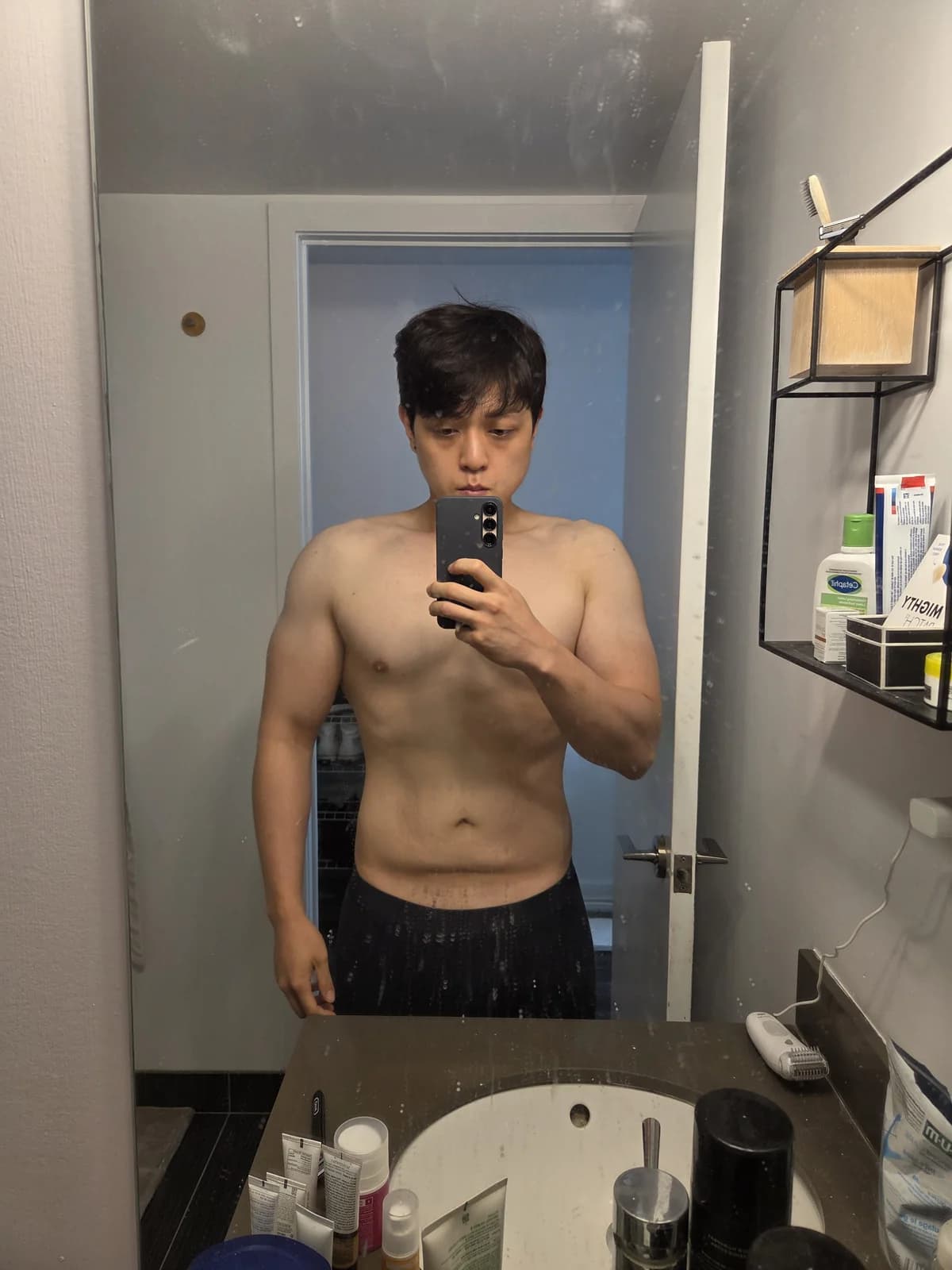
Clothes Tell You the Truth the Mirror Cannot
The mirror lies fast. The scale is noisy. The clothes do not negotiate. A founder note on why the most honest body composition tracker is hanging in your closet.
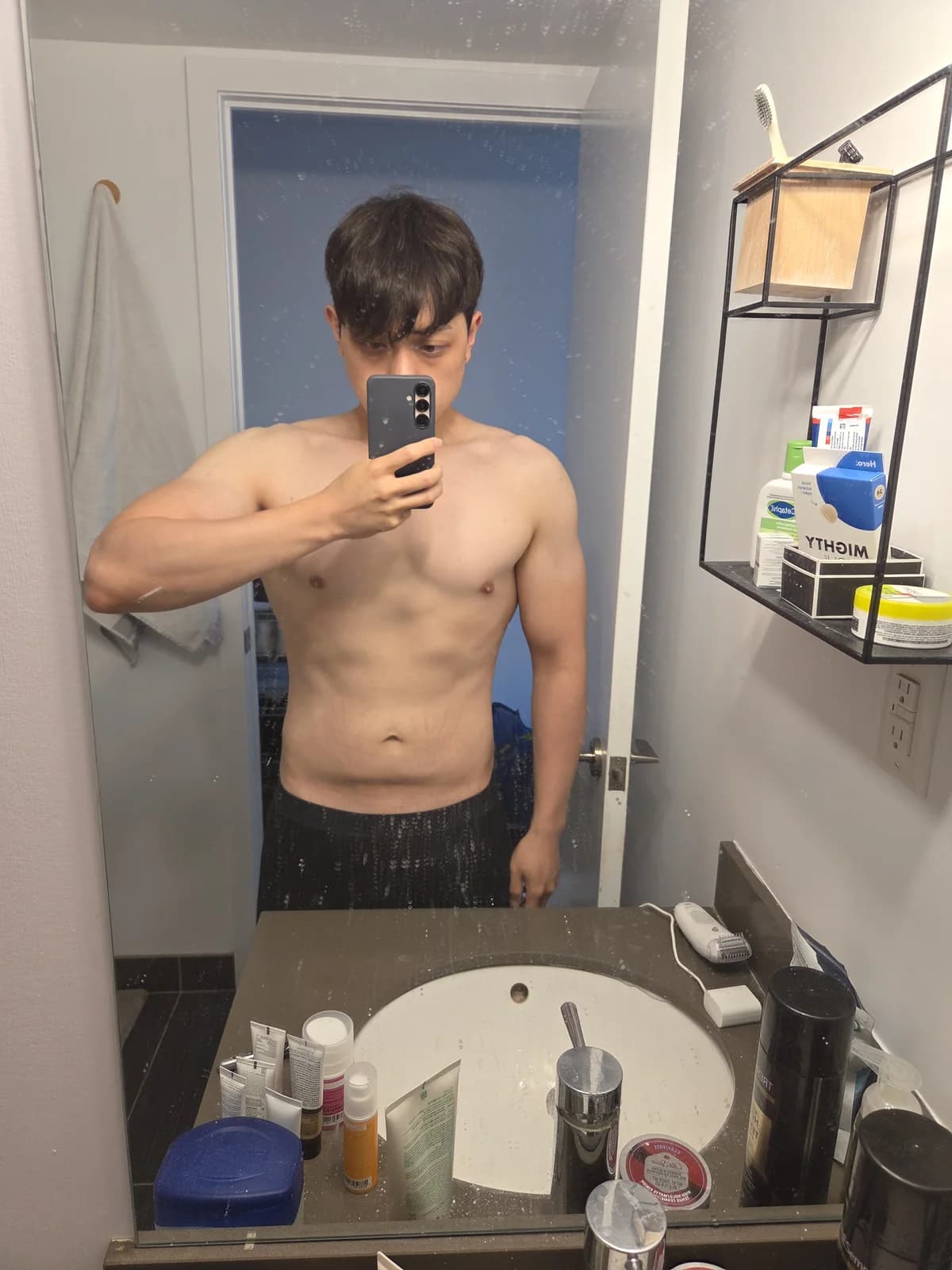
Progress Photos Can Lie as Much as the Mirror Does
People treat the progress photo as ground truth. It is not. Lighting, posture, time of day, and last night's dinner can fake an entire month of progress in either direction.

You Look Different to Other People Before You Look Different to Yourself
Other people see your body change before you do. The delay is not vanity. It is how self-perception actually works.

The Body Looks Different From Behind
Most people only look at themselves from the front. That is why progress feels invisible. The back view is where the body often changes first.
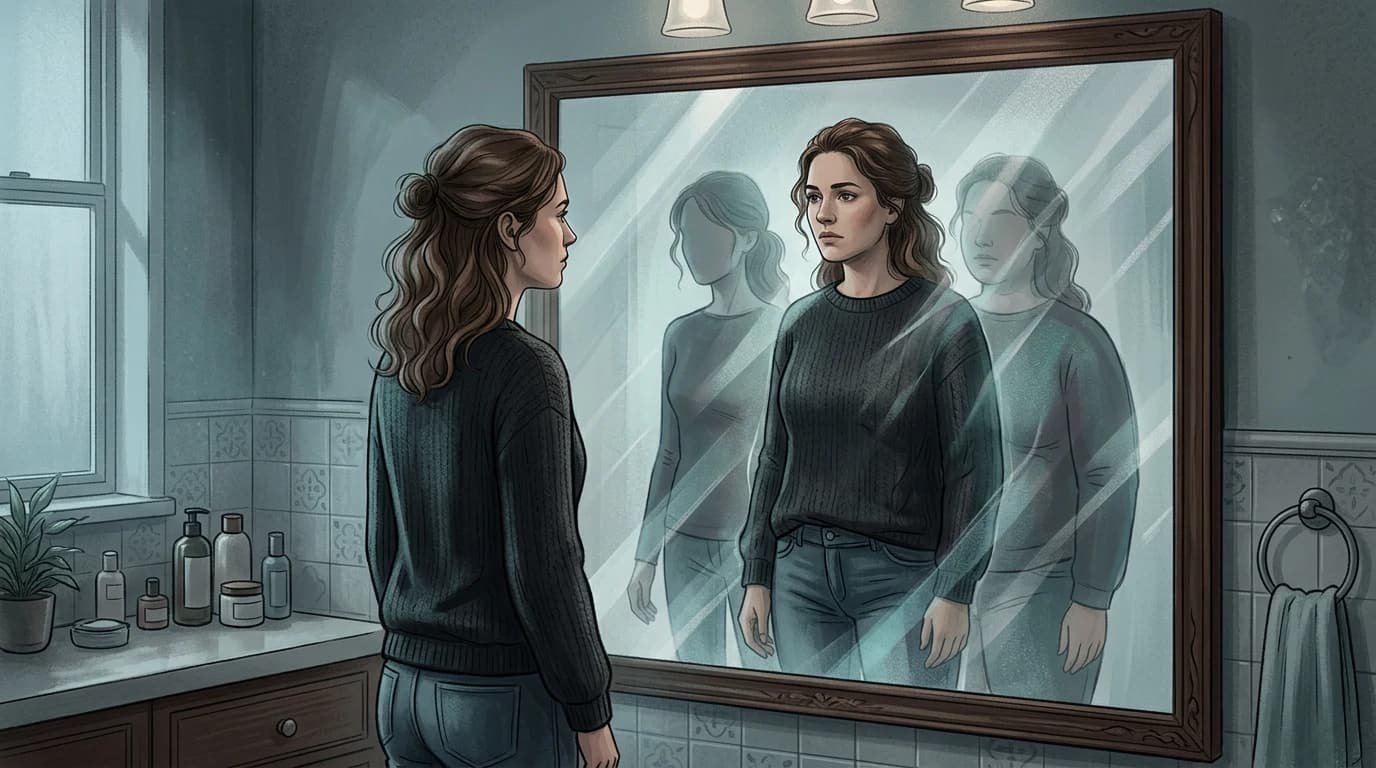
Why the Mirror Can Make Real Progress Feel Fake
The mirror is one of the worst tools for judging body change in real time. Here is why progress can be real even when it still feels invisible.
FAQ
Common questions on the mirror during weight loss
Direct answers pulled from the most-read posts in this topic.
Why do others notice my weight loss before I do?
Self-perception updates slowly. You see your body every morning in the same mirror, so gradual change disappears into familiarity. Someone who has not seen you in three months gets a clean before-and-after read. The internal map usually runs three to six months behind the body. The compliment is data, not flattery.
Why does my body look different from different angles?
Because most people only ever check the front view. The back can change weeks before the front catches up. Different bodies carry fat differently, and the front view often holds the stubborn lower-belly buffer the longest. The back loses shape first for many people, and the front mirror cannot answer that question.
How do I stop mirror checking on a diet?
Go on a mirror diet. Look less, look better, look in fewer states. Cut casual checks down to two a day under structured conditions — same time, same lighting, same posture, ideally morning and fasted. Skip the worst lighting. Skip the bathroom mirror at midnight. Two structured checks beat eight opportunistic ones.
Why do my clothes fit better when the scale is the same?
Because the scale measures total mass and clothes measure shape. If you are training, you can lose fat and add small amounts of muscle at the same scale weight. The waist gets smaller, the shoulders or thighs get fuller, and the jeans tell the truth the scale is missing. The body moved. The scale missed it.
Next step
Start a free body-fat estimate from one photo.
Reading about weight loss is one thing. Building a weekly record that panic cannot rewrite is another.
Try the free body scanOther topics