Losing Weight Is Not the Same as Getting Leaner
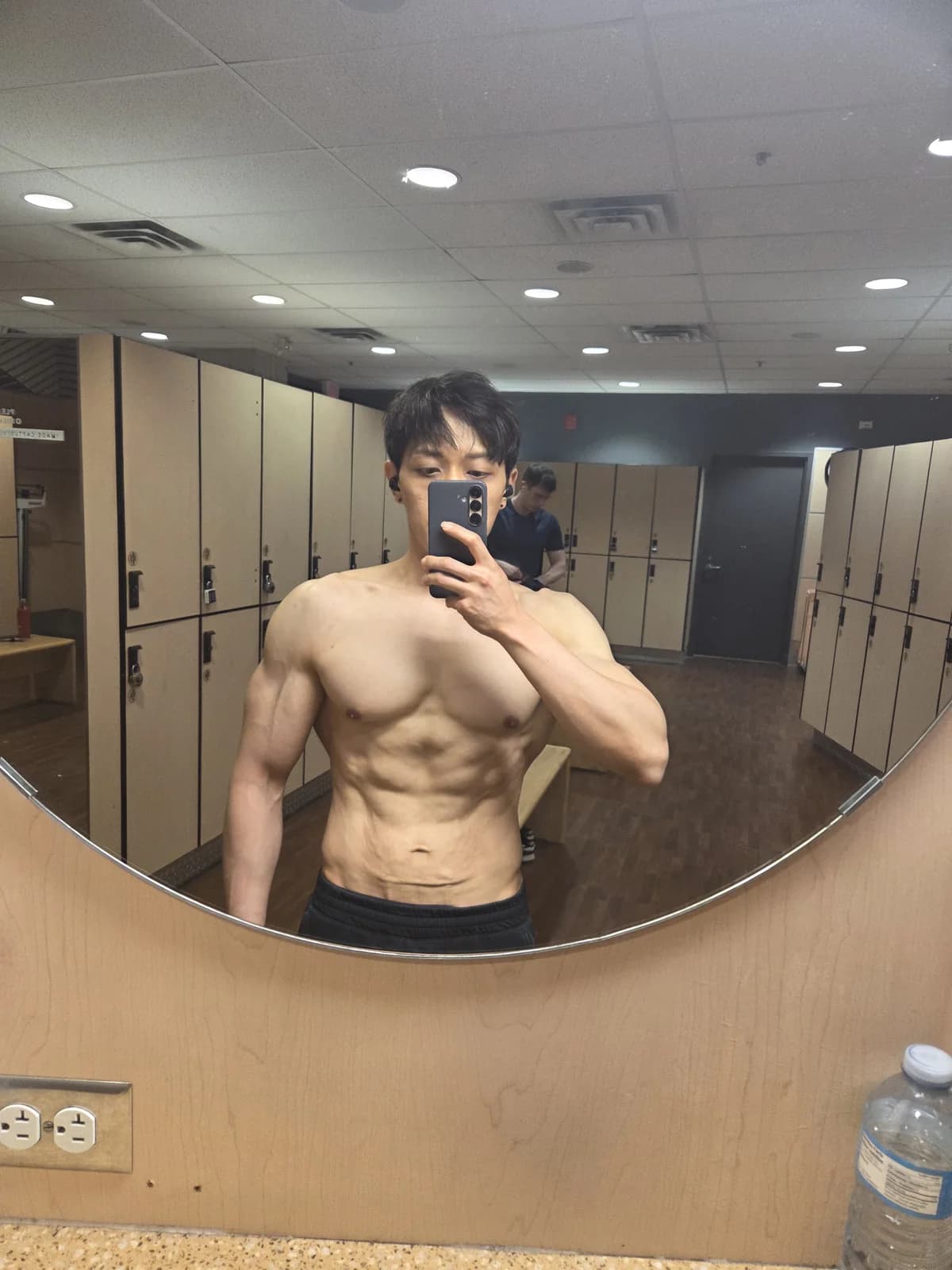
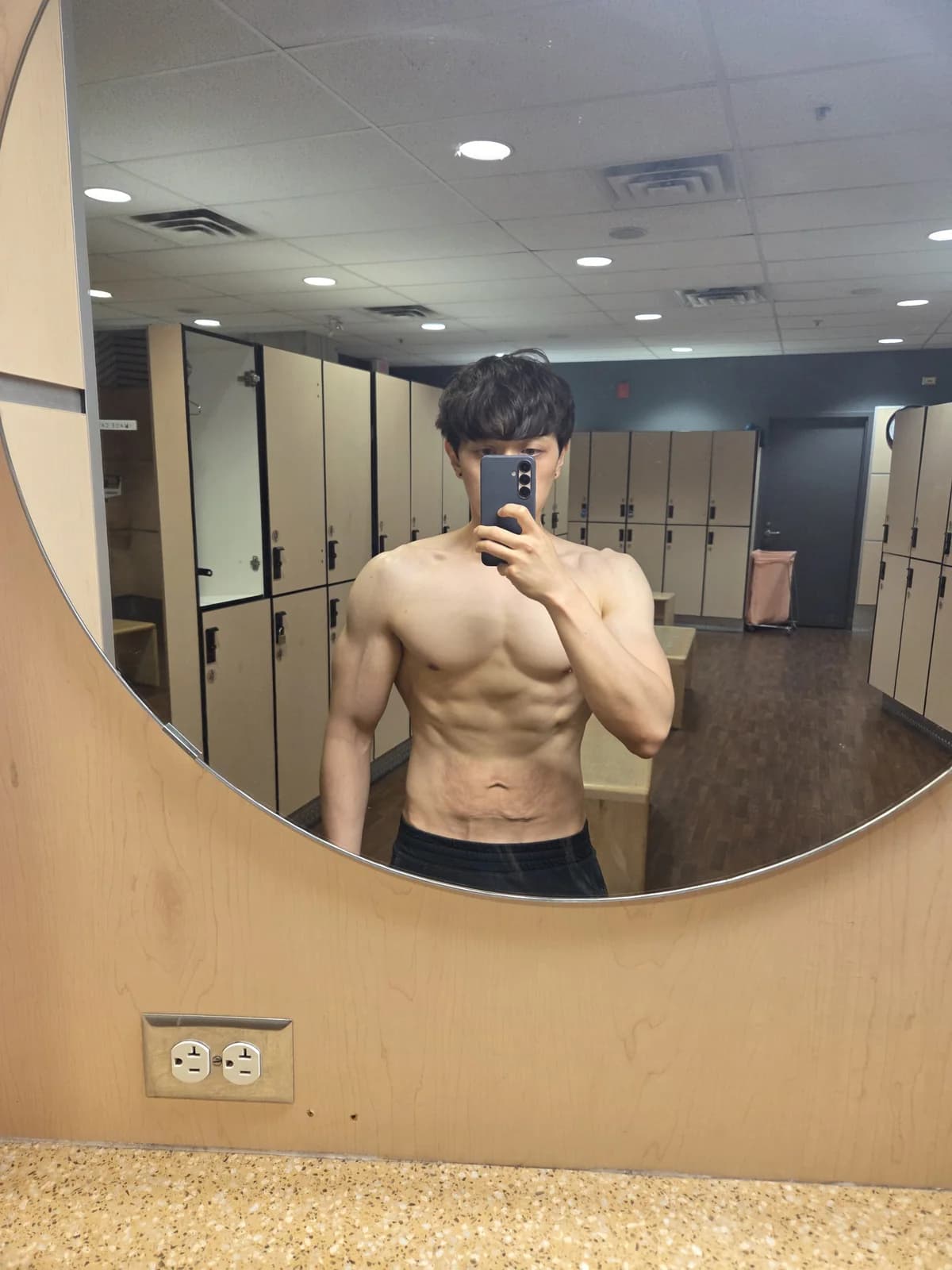
What's the difference between weight loss and fat loss? One moves the scale; the other actually changes how you look. At one point in the middle of my transformation, I weighed the same for eight weeks. My clothes stopped fitting anyway.
 By pkang6 min read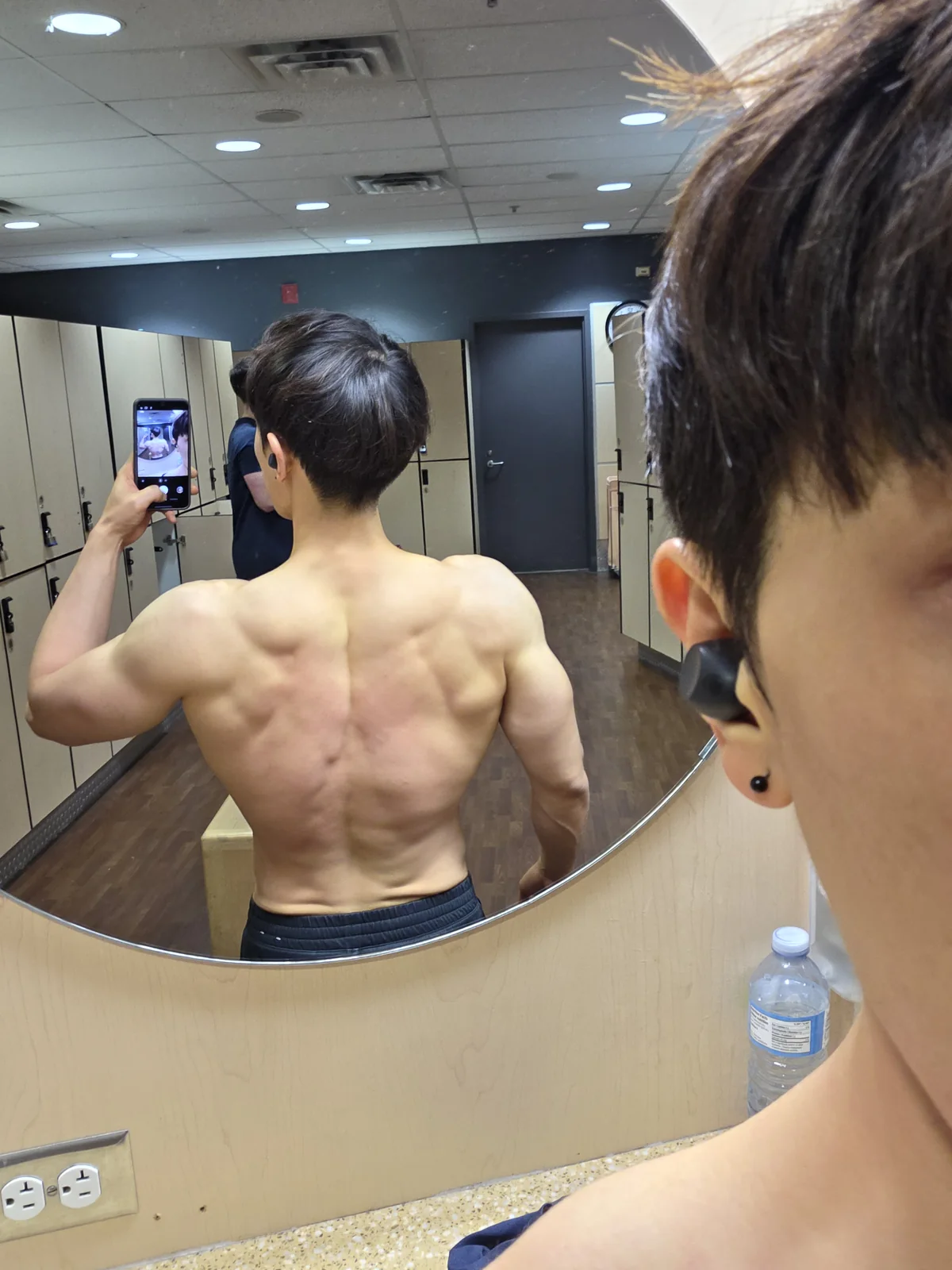
What's the difference between weight loss and fat loss? One moves the scale; the other actually changes how you look. At one point in the middle of my transformation, I weighed the same for eight weeks.
My clothes stopped fitting anyway.
Looser around the waist. Tighter around the shoulders. The same number. A different body.
I spent those eight weeks mostly frustrated because I did not yet understand what was happening.
What is the difference between weight loss and fat loss?
Weight is total mass: water, bone, organ, muscle, fat, food in transit. Fat loss is just the fat portion. You can lose weight and get less lean if you lose mostly muscle, or stay the same weight and get leaner through recomposition. The scale weighs everything. It cannot tell those stories apart.
The Two Lines Do Not Always Move Together
Weight loss and getting leaner are two different processes. They usually overlap. They do not have to.
Weight is total mass. Water, bone, organ, muscle, fat, food in transit. It is one number.
Leanness is the ratio of fat to non-fat tissue. Specifically, it is usually about body fat percentage and how the fat distributes visually.
You can lose weight and get less lean (if you lose mostly muscle). You can stay the same weight and get more lean (if you lose fat and gain muscle). You can even gain weight and look visibly leaner, if the gain is muscle and the loss is fat.
The scale cannot tell these apart. It weighs everything.
Why The Scale Misses This
The scale is measuring total mass. It does not care what the mass is made of.
If you lose 2 kg of fat and gain 1 kg of muscle, the scale moves 1 kg. You are a different body. The scale is telling you that one week barely happened.
This is why some people stop losing weight and notice their clothes still changing. Their composition is still shifting. The scale is just the wrong instrument for that week.
What I Did Not Notice For A While
During the eight-week plateau, I kept weighing daily and treating the flat number as the story.
I was also training consistently. Four days a week. Lifting. Eating roughly at maintenance.
What was actually happening was body recomposition. Slow fat loss. Slow muscle gain. The two canceling out on the scale.
By week nine, I did a body composition test and realized the fat mass had dropped by about 2.5 kg and the lean mass had risen. At the same scale number.
None of my daily weigh-ins had told me this. All my clothing had.
What Matters For Most People
Unless you are an athlete, body composition matters more than weight. For most people, the actual goal is not weigh less. The actual goal is look and feel leaner. Those goals are related but not identical.
A 70 kg person at 25 percent body fat looks softer than a 72 kg person at 18 percent body fat. The heavier one is the leaner one.
People who only track scale weight for years sometimes end up at their target number and still feel soft, because they lost more muscle than fat on the way down. This is most common with severe cardio-only dieting.
People who track the combined picture, slowly, over months, tend to arrive at a body they actually wanted.
How To Actually Track It
You do not need a lab.
- Photos every two weeks, same spot, same lighting, same clothing. Looking at groups of four.
- Tape measurements every two weeks. Waist, chest, hip, thigh, arm. This picks up composition changes the scale misses.
- Clothing as evidence. Same jeans, same shirt, every two weeks. Fit tells the truth.
- The scale once a week as a reference point, not the whole story.
If you only use one of these, use photos. If you use two, use photos and measurements. The scale alone is the least useful of the four.
The Line I Wish I Had Heard Earlier
Getting leaner is a composition story told over months.
Losing weight is a mass story told over weeks.
They are not the same number and they are not the same clock.
Frequently Asked Questions
How can I tell which one I'm doing?+
Track three things together: weekly scale average, tape measurements at waist and hip, and photos every two weeks under matched conditions. If the scale moves but measurements do not, you are losing the wrong tissue. If measurements move but the scale does not, you are recomposing.
Can you gain weight and look leaner?+
Yes. If the gain is muscle and the loss is fat, the scale moves up while the body looks visibly leaner. A 70 kg person at 25 percent body fat looks softer than a 72 kg person at 18 percent. The heavier one is the leaner one.
Why do people lose muscle on a diet?+
Two reasons: protein intake is too low, or the deficit is so aggressive the body sheds tissue indiscriminately. Adequate protein (1.6 to 2.2 g/kg) plus resistance training tilts the loss toward fat and away from muscle. Cardio-only severe diets do the opposite.
Is body recomposition possible at any age?+
Yes, though the rate slows with age. Trained adults in their thirties, forties, and beyond still build muscle and lose fat at the same time, just more slowly than beginners. The direction is the same. The clock runs differently.
Should I care about body fat percentage instead of weight?+
For most people, yes. Unless you are an athlete with a weight class, the actual goal is composition, not mass. Track a waist measurement, a clothing size, and photos. Use the scale as one of four signals, not the sentence.
Next step
Track composition, not just mass.
If you are only ever reading the scale, you are reading one chapter of a book. Weight, measurements, and photos in parallel answer different questions.
Try the free body scan